
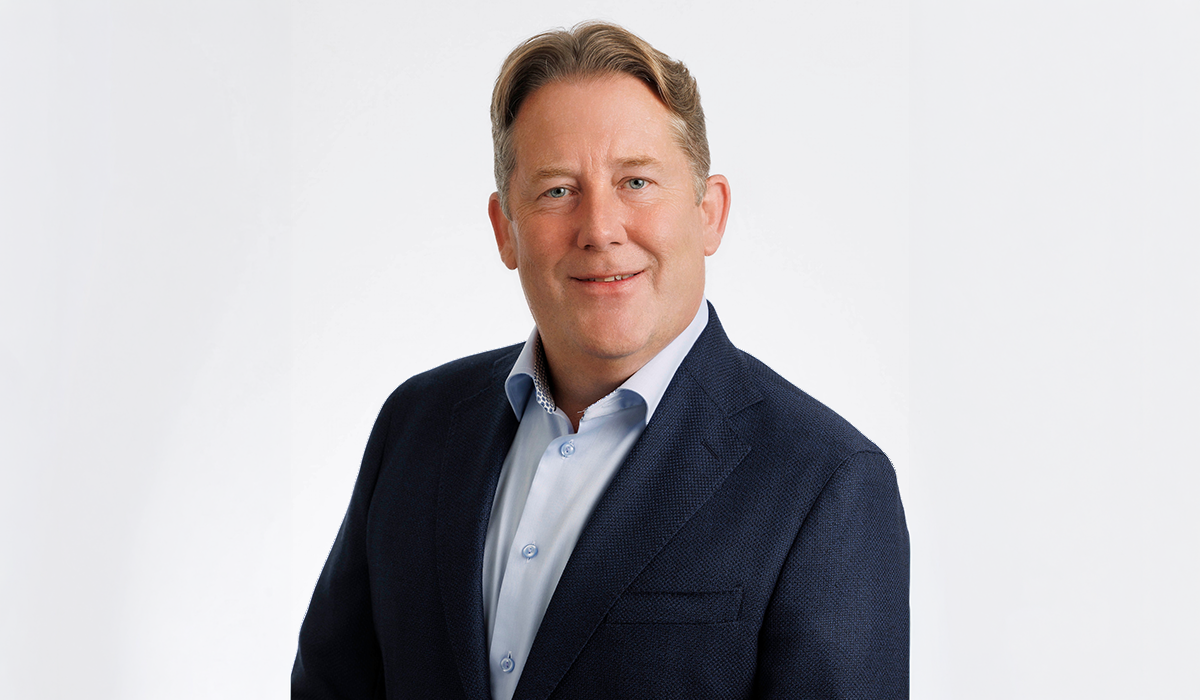
13 Jun Interview with Darragh O’Brien, Minister for Climate, Energy and the Environment, Minister of Transports
What potential does Ireland have to become a leader in renewable energy and what milestones has the country set for 2030 and 2050?
Ireland’s target for 2030 is to generate 80% of electricity from renewables and we are making strong progress. We are currently at around 50%, with half of our electricity in March already coming from renewable sources, mainly onshore wind and an increasing share of solar. Solar in particular has grown rapidly and we expect further acceleration. We have doubled onshore wind capacity in the past decade and increased solar by over 1,000%. Ireland is now a leader in integrating renewables into the grid and we are also expanding energy storage, ranking third in the EU with about one gigawatt installed.
This is essential for balancing a more renewable system. Our focus now is accelerating electrification for energy security, reduced fossil fuel imports and economic growth through new jobs and investment. We have set out an €18.9 billion grid investment program to 2030 to strengthen resilience and support regional development, particularly in areas like the west coast.
Offshore wind will be the next major step. We have five projects off the east coast progressing through planning, with most expected to be consented this year and moving into construction before 2030. While Ireland has been slow to develop offshore wind historically, we are now moving quickly, with strong potential in the Irish and Celtic Sea and successful recent auctions showing real momentum. We have begun mapping our entire coastal area to build a clear offshore pipeline. We have secured around €200 million to deliver a national program to identify future sites, carry out surveys and share data to de-risk development.
We are in a strong position: the economy and population are both growing, while emissions continue to fall. Ireland is now back to pre-1990 emissions levels and we expect further positive data for last year. While challenges remain, we have a strong project pipeline, solid public funding and significant private investment. We are now firmly in the deployment phase.
You recently signed memoranda of understanding with the UK and Spain at the WindEurope summit in Madrid. How connected is Ireland to the wider European energy system and what is being done to deepen this cooperation for mutual benefit?
Ireland currently has two electricity interconnectors with Britain — the East-West and the Greenlink, which came online last year — along with a gas interconnector. These strengthen grid resilience and allow us to both import and export energy. We are now building the Celtic Interconnector — our first direct electricity link to continental Europe — between Ireland and France. Onshore works are complete and the cable is being installed, with commissioning expected in 2028.
We are also exploring further connections, including a proposed interconnector with Britain called MaresConnect and a potential link with Spain under an MoU with our Spanish counterpart, as well as renewed discussions with France on a second interconnector. For an island system, deeper integration with the EU electricity market is strategically important. It improves security of supply, reduces risk and supports future offshore wind development in the Irish and Celtic Seas, with the potential to export clean energy to Europe.
How important is the USA as a source of investment, technology and offtake opportunities in Ireland’s energy transition and where do the strongest opportunities exist for American investors?
The United States is a critical investor for Ireland and our largest source of FDI. Ireland is also a major investor in the U.S., reflecting a strong two-way relationship. Our economies are closely linked, particularly across pharma, energy, ICT and data, with nine of the ten largest tech companies in Europe based here.
In energy, we are seeing strong U.S. interest, including in areas such as a floating storage regasification unit LNG terminal. This supports energy security by providing backup supply, not increasing gas dependence, and is consistent with our climate objectives. More broadly, Ireland acts as a bridge between the U.S. and the EU, supported by deep historical and personal ties. It is now a mature partnership, with growing Irish investment in the United States as well.
As Minister for Transport, air connectivity between Ireland, the U.S., Europe and the Middle East is a key priority. We are working to expand capacity and I intend to remove the Dublin Airport cap this year, with legislation coming to parliament shortly. Ireland also benefits from strong aviation infrastructure, including pre-clearance and streamlined customs, which supports further growth potential. More broadly, the global environment has been highly volatile in recent years — from Brexit and COVID-19 to the war in Ukraine, energy shocks, inflation, tariffs and instability in the Middle East. Despite this, both Ireland and the EU have remained resilient, with continued economic and investment growth. We cannot be complacent. Maintaining competitiveness is essential and energy policy is central to that, as it underpins both economic resilience and future growth.
What measures has the government introduced to shield households and businesses from rising energy prices following the recent energy crisis?
We have introduced a €755 million support package, the largest per capita response in the EU. It targets both households and businesses. Around 470,000 of the most vulnerable households — about a quarter of all homes — receive direct fuel payments through the social welfare system.
We have also supported key sectors, including haulage and food production, both vital for an island economy. A dedicated scheme for hauliers provides around €40 million per month for three months to help manage fuel costs. Ireland remains exposed to global price shocks due to its reliance on imported gas and oil. We produce about 20% of our gas domestically from Corrib, with the remainder imported via the UK. That is why these supports are necessary and we continue to do everything we can to protect households and businesses. We have reduced excise duties on petrol, diesel and marked agricultural diesel to help road users.
Energy supply in Ireland is secure and not directly dependent on Middle Eastern sources, but global supply constraints — around a 20% reduction — are still driving price increases. Ireland holds strong reserves, including 90 days of refined fuel stocks and we now source all aviation fuel from the United States. We continue to closely monitor prices and further support measures, including tax changes, will be considered in the October budget. These pressures are being felt across Europe and globally. Alongside the economic impact, we are also deeply conscious of the humanitarian crises linked to current conflicts, which remain a serious concern.
Ireland is undertaking a major overhaul of its transport infrastructure to meet rising demand and improve connectivity across the country. What is being done to modernize and expand Ireland’s rail network and how will these investments help ease congestion and strengthen national connectivity?
Holding both the Energy, Climate and Environment and Transport portfolios gives strong alignment between the two areas. As colleagues in the UK have noted, having that linkage is a real advantage. Ireland now has a fully funded National Development Plan, worth €105.25 billion by 2030 and up to €285 billion by 2035, reflecting strong economic management and investment capacity. We are entering the largest period of rail investment since the 19th century, focused on expanding capacity, electrification and connectivity. This includes major upgrades to the Belfast–Dublin corridor, with €700 million in new rail rolling stock supported by Ireland, Northern Ireland and the EU and increasing daily services ahead of full electrification.
In Dublin, the DART+ program is upgrading and expanding the commuter network, while MetroLink will be a transformative project linking Swords, Dublin Airport and the city center. It is due to start construction next year, following years of delay and is expected to deliver strong economic returns. Beyond Dublin, we are advancing projects in Cork and the west, including commuter rail upgrades and extensions of the Western Rail Corridor. Road investment continues, but the priority is shifting towards public transport, with record usage last year of 365 million journeys. These are not just transport projects — they are also climate, economic and quality-of-life investments as we move into a major delivery phase.
You recently announced €8 million in funding for regional airports. Which upgrades are planned and how can stronger regional aviation links support local economic development?
Ireland has a strong network of international and regional airports. Dublin Airport continues to grow, with record passenger numbers and we intend to remove the passenger cap to support further expansion. Cork Airport is benefiting from a €200 million investment and has also recorded its highest-ever traffic, while Shannon Airport continues to play a key national role.
Regional airports are essential for connectivity and balanced regional development and passenger numbers are rising across all regions, including the northwest. That is why we continue to support them through both operational funding and capital investment. A good example is the new Dublin–Derry air route, which we will launch this October with a public service obligation. It has strong local support and will significantly improve connectivity and help unlock inward investment in the northwest. Overall, air connectivity is vital for linking regions to Dublin, to each other and to international markets, supporting both regional growth and national competitiveness.
Aviation in Ireland is a major but often underrecognized strength. Ireland is a global leader in aircraft leasing, with around half of the world’s aircraft leased from Irish-based companies. We also host major aviation players, including Ryanair as the largest EU airline and Aer Lingus on key transatlantic routes. Over time, we have built a strong ecosystem across leasing, maintenance and aviation services, with Irish professionals holding senior roles across the global industry. Aviation is also a major economic driver. Dublin Airport alone supports tens of thousands of direct and indirect jobs and contributes significantly to national output through connectivity and trade. Looking ahead, the focus is on making aviation more sustainable, including more efficient aircraft and quieter operations, as well as advancing research into sustainable aviation fuel with international partners.
The government has also increased funding for upgrading Ireland’s roads in the 2026 budget. Which upcoming road projects will have the greatest impact in improving mobility and reducing bottlenecks for citizens and businesses?
There are still bottlenecks, but Ireland’s motorway network is generally strong. We are investing heavily in key routes, including Cork–Limerick, Adare and the Cork–Ringaskiddy corridor, which is vital for port access in the south. Our roads program is multi-annual, providing certainty for delivery over the next five years. The main challenge now is capacity in the construction sector, which is why population growth and inward migration are also important to sustaining delivery.
While most major cities are well connected, we are continuing to upgrade links to some regional and northwest areas. Transport Infrastructure Ireland and the National Transport Authority manage delivery effectively, supported by stable funding. In our National Development Plan, one in four euros goes to transport, with over twice as much invested in public transport as in new roads.
During Dublin Climate Week, you highlighted the importance of empowering communities to take a leading role in climate action and environmental stewardship. Which recent initiatives do you believe will have the greatest impact in reducing emissions across transport, housing and industry?
Energy is the key priority because it underpins everything. We have a clear pathway to expand renewables, which is essential for the system’s transition. In transport, we are accelerating electrification of both public and private fleets. EV adoption is ahead of target: in Q1 this year, electric vehicles surpassed petrol and diesel combined for the first time. We have now exceeded our previous target of 189,000 EVs and are at around 235,000, with continued strong growth.
In the built environment, we are also scaling up home retrofitting programs. Almost 260,000 homes have now been upgraded. This reduces emissions and energy demand while also lowering household bills and protecting against price shocks. Rooftop solar is another strong example, with households saving on average around €1,600 per year on electricity costs. Last year we retrofitted around 53,000 to 54,000 homes and this year our target is 73,000. We have reformed the scheme to allow a “retrofit passport,” so households can upgrade in stages rather than doing everything at once. This has driven a near 200% increase in applications in the first quarter alone. The response reflects strong demand: people want lower emissions, but also warmer, healthier and more affordable homes.
New homes are now built to A-rating standards, while existing homes are being upgraded through insulation, heat pumps and improved windows and doors. Support is substantial — for example, up to €12,500 for heat pumps and up to €5,600 for windows and doors. This year we will invest around €640–650 million in retrofitting, funded through the carbon tax, which is ring-fenced for climate and energy upgrades.
Ireland is placing innovation and talent at the center of its next growth phase, particularly as new green industries emerge. How would you assess Ireland’s talent and human resources in the cleantech and sustainable industries at large and what support is available to SMEs and larger companies in this sector?
Ireland has a strong enterprise support system, including Enterprise Ireland and Local Enterprise Offices for startups and small businesses. A good example of transition in practice is Bord na Móna. Formerly a peat-based energy company, it has fully exited peat and coal and is now a leading onshore renewable energy producer. In the Midlands — once a peat-dependent region — this shift has driven the growth of hundreds of new green tech and clean energy businesses, supported through just transition programs, including startup and expansion grants. Events like Accelerate Green highlight this emerging ecosystem. This reflects our broader approach: climate transition is not just an environmental necessity, but an economic opportunity that creates jobs and strengthens regional development.
I see strong growth in startups across the energy transition sector — not just onshore renewables, but also in maritime technologies, mapping and sustainable aviation fuel research. We also have a strong track record in data and data centers, where Ireland has become a leading European hub, supported by close links with the U.S., particularly California. We are pro–data center investment, but it must be aligned with the energy transition: new facilities must source at least 80% of their power from additional renewable energy. This ecosystem is now generating its own expertise, with Irish companies expanding into Spain and across Europe. Many are also innovating in areas such as waste heat reuse and district heating to reduce emissions. Overall, this reflects a wider shift: Ireland is not only attracting investment, but building knowledge and exporting it. The Government has provided €170 million under the Just Transition program to support regions moving away from fossil fuels, helping new business development and investment in affected areas.
We also provide additional retrofit support in these regions, along with direct grant funding for community and enterprise initiatives. Communities are seeing clear benefits, including improved local amenities. Renewable energy projects also deliver community benefit funds, which are invested locally in amenities such as walking and cycling trails and other public infrastructure. This approach is continuing to expand.
What is your final message to LA Times readers?
Ireland has a strong track record of innovation and adaptability, built over decades of hard work and an open, pro-enterprise economy. We support free trade, welcome foreign direct investment and aim to provide a stable and attractive environment for business and living.
Since 1990, our population has grown by around 1.5 million, reflecting a more diverse and dynamic society. Like any country, we face challenges, but we continue to support those who need it while maintaining a strong focus on growth and opportunity. We are now well advanced in the next phase of the energy transition, which strengthens energy security, supports investment and improves competitiveness. Our international relationships, particularly with the United States, remain very important — because strong people-to-people ties often underpin strong economic partnerships.
No Comments